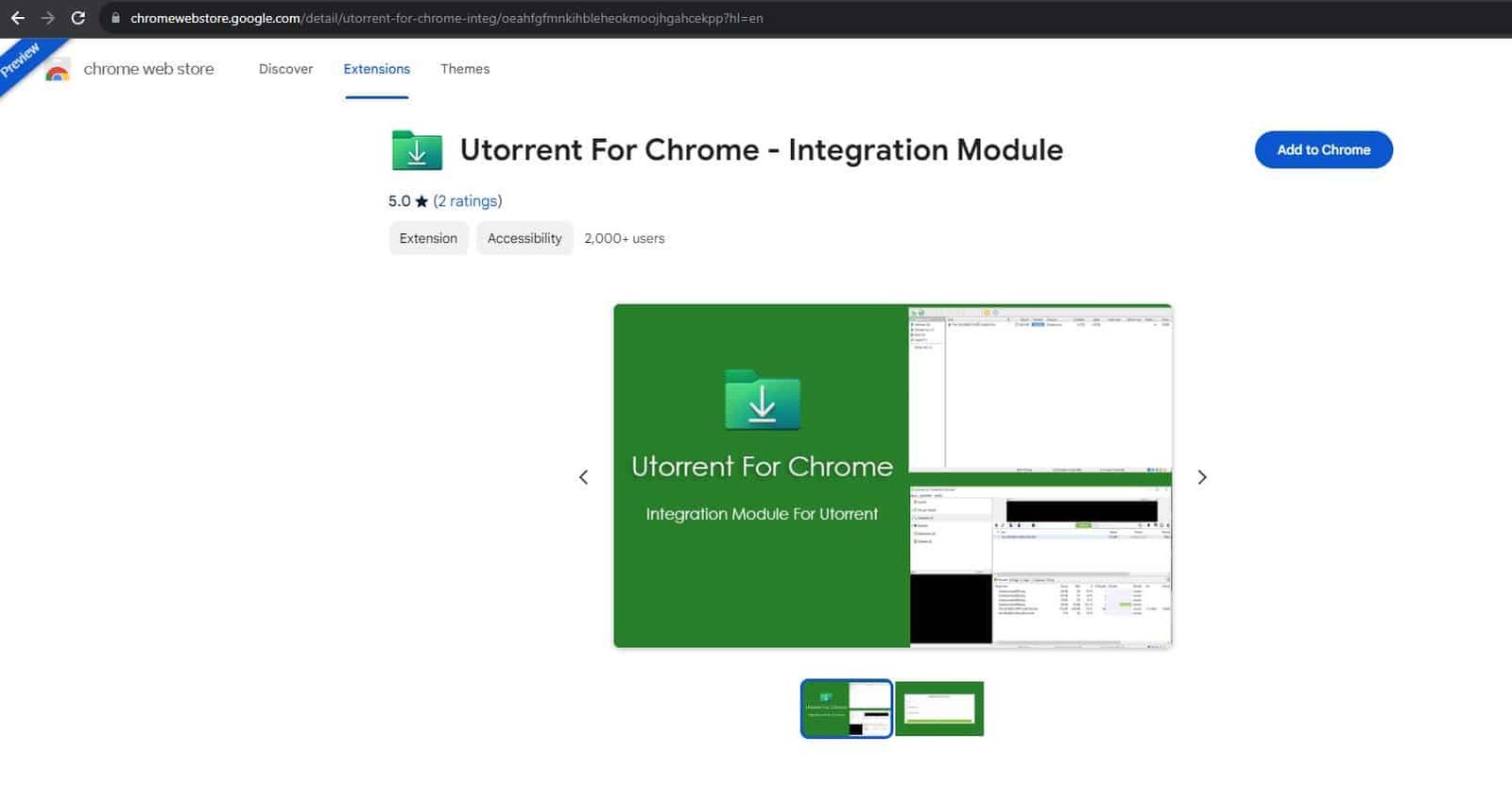
Disclosure: the uTorrent for Chrome extension is made by the team behind App How To Use It. It is an independent extension and is not affiliated with the makers of uTorrent.
uTorrent for Chrome is a browser extension that sends magnet links and .torrent files from Chrome straight to the uTorrent Classic app on your PC. Instead of copying a link and pasting it into uTorrent, you right-click it and choose send. The extension talks to uTorrent through its built-in Web UI, so there is a one-time setup, which this guide walks through step by step.
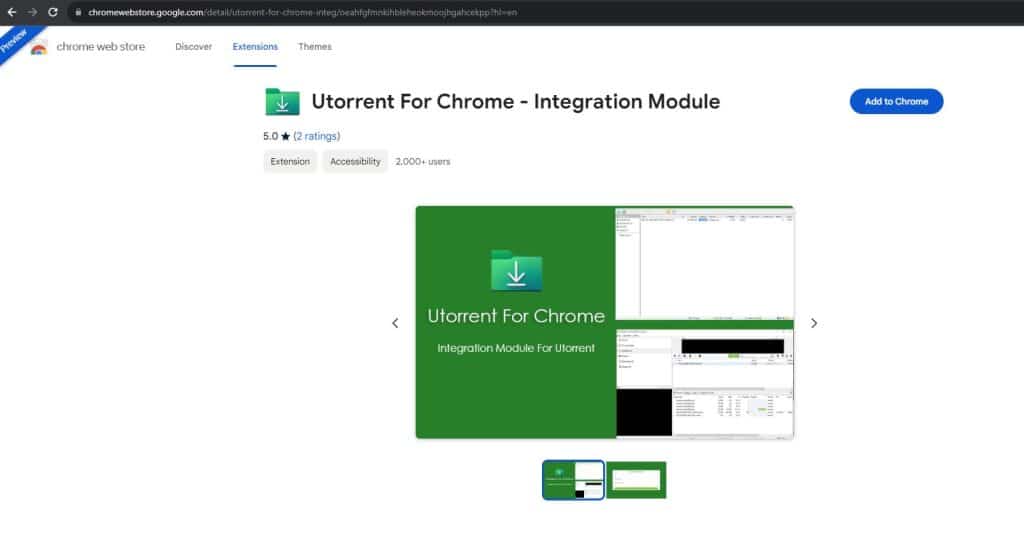
What the extension does
- Adds a right-click menu item on magnet links and .torrent files that sends them to uTorrent.
- Picks up magnet links you have copied to the clipboard, and repairs badly formatted ones.
- Shows whether it is connected to uTorrent in its popup.
- Keeps everything local: the developer states that it does not collect personal data, browsing history or torrent lists.
Why not just click the magnet link?
If uTorrent is your default app for magnet links, Chrome can hand a link over to it, but it asks for permission, does nothing for links to .torrent files, and stops working when another program takes over magnet links. The extension talks to uTorrent directly, so a right-click always lands in the right place, and a .torrent file is added without first being saved to your Downloads folder.
Step 1: turn on the Web UI in uTorrent
- Open uTorrent Classic on your PC.
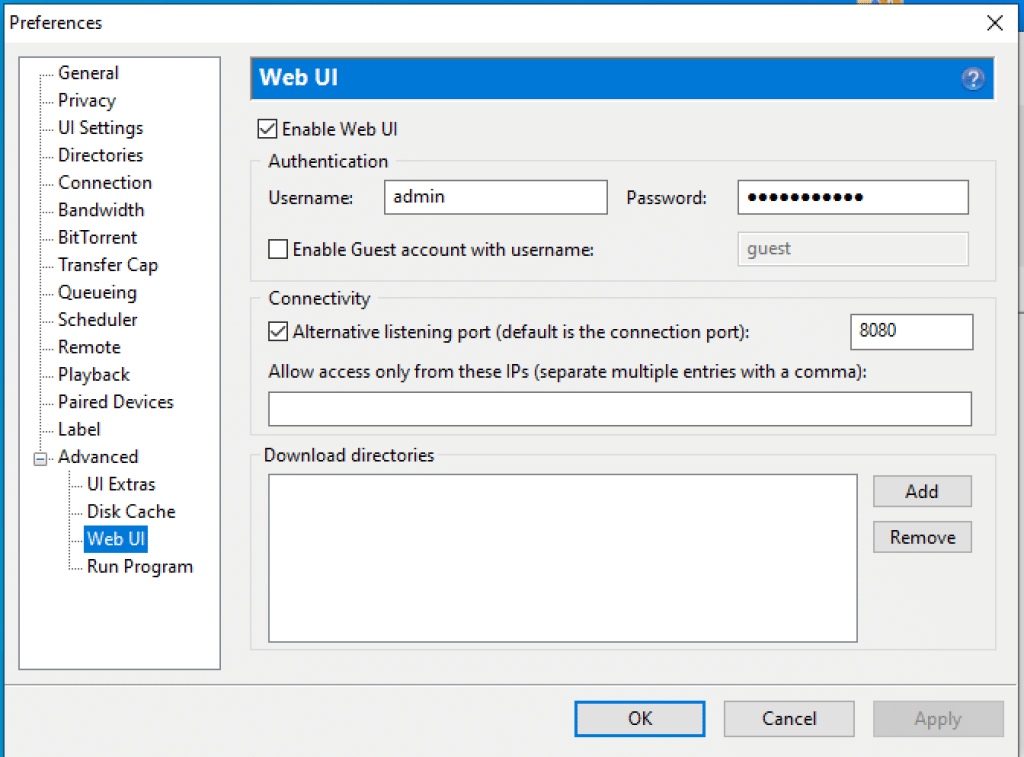
- Go to Options > Preferences.
- Expand Advanced and select Web UI.
- Tick Enable Web UI and choose a username and password.
- Tick Alternative listening port and enter 8080, then click OK.
Step 2: connect the extension
- Install uTorrent for Chrome from the Chrome Web Store.
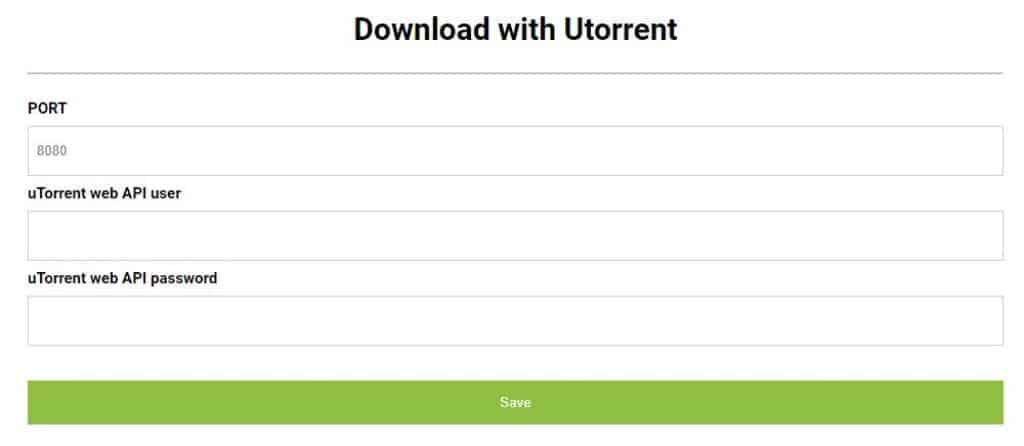
- Right-click the extension icon and open Options.
- Enter the same username, password and port 8080 you set in uTorrent, and save.
- Right-click any magnet link and send it; the torrent should appear in uTorrent within seconds.
| Setting | In uTorrent | In the extension |
|---|---|---|
| Web UI | Enabled | Not needed |
| Username and password | Your choice | The same values |
| Port | 8080 (alternative listening port) | 8080 |
Why does it say it cannot connect?
- uTorrent is not running, or the Web UI box was not saved. Reopen Preferences and check.
- The username, password or port in the extension does not match uTorrent exactly.
- Another program already uses port 8080. Pick a different port in both places.
- A firewall is blocking uTorrent. Allow it for local connections.
Tips for smoother downloads
- Set an upload limit in uTorrent’s Bandwidth settings so browsing does not slow down while torrents run.
- Prefer torrents with many seeders; they finish faster and are less likely to stall at 99%.
- Scan finished downloads with your antivirus before opening them, especially executable files.
- Keep the Web UI password private: anyone who knows it and can reach your PC could add torrents.
Use torrents legally
Torrenting itself is legal, but only download and share files you have the right to. Good examples are Linux distributions, open-source software, game updates published as torrents, and public-domain films from the Internet Archive, which offers torrents for many of its items.
Frequently asked questions
Does it work with BitTorrent Classic?
Use our separate BitTorrent for Chrome extension for that; the setup is almost the same.
Is there a Firefox version?
Yes, a Firefox version is listed on the uTorrent for Firefox page.
Once the Web UI is set up, uTorrent for Chrome turns adding a torrent into a single right-click. The five-minute setup above is the only effort involved, and you only do it once.